The Global Refugee Crisis and the Digital Divide
The global refugee crisis has laid bare a profound crisis in education, where displacement systematically strips children of their right to learn. Globally, nearly half of the world’s 15 million school-age refugee children are completely excluded from formal schooling. While primary school enrollment sits at a modest 65%, a steep and alarming drop-off occurs as children age: only about 30% of refugee adolescents manage to enter secondary school, and a mere 7% transition into higher education. This massive drop-off creates an entire generation of displaced youth locked out of high-skilled career paths, severely limiting their ability to rebuild their lives and economically support their families or future communities.
Compounding this crisis is a harsh digital divide that isolates refugee students from the modern world. In an era where education is increasingly reliant on digital tools, refugee learners are being left behind in the analog dark; they are 50% less likely than the general population to own an internet-enabled device, and nearly a third of refugee households have no phone at all. During periods of remote learning, up to 78% of these students lacked any access to digital educational resources. Without targeted global investments in Wi-Fi infrastructure, device distribution, and digital literacy, the internet will continue to act as a barrier rather than a bridge, deepening the educational inequality that displaced youth face every day.
https://www.unhcr.org/what-we-do/build-better-futures/education/refugee-connected-education-challenge
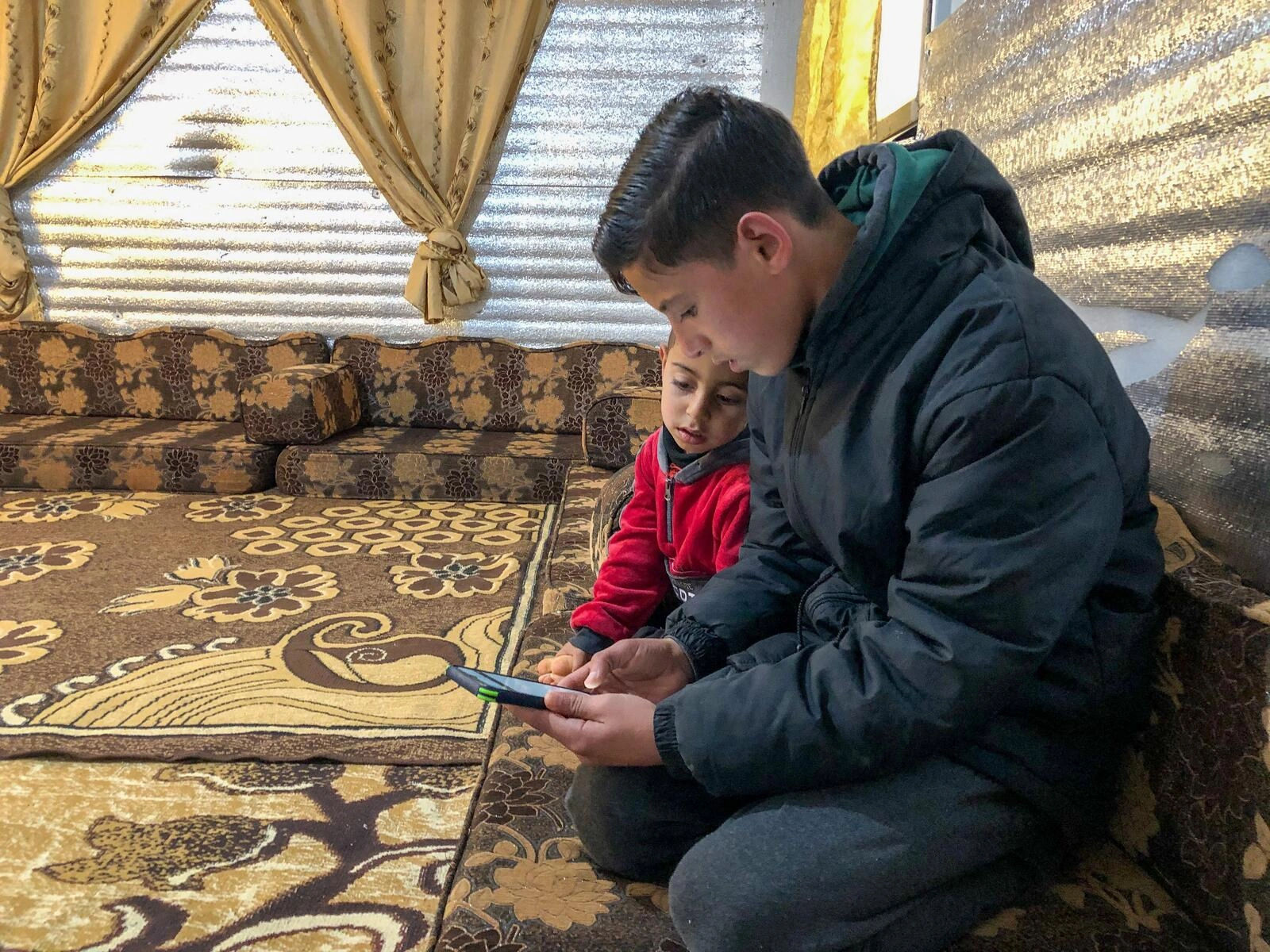
Initiatives like the UNHCR's Refugee Connected Education Challenge are working to bridge this gap by providing digital access and support to refugee students around the world.
How Can We Help?
There are several ways organizations can help address the digital divide and support refugee students:
- Expanding Foundational Infrastructure: Humanitarian organizations must partner with private telecom and technology providers to supply stable, low-cost internet in rural borderlands and remote settlements.
- Accessible Technology and Training: Providing offline-capable learning platforms, affordable devices, and culturally relevant digital content ensures that learners who are entirely new to computers can easily build basic digital skills.
- Policy Inclusion: For forcibly displaced people to succeed, host governments must actively integrate refugee-hosting schools into national digital learning strategies and budgets.
How YOU can help:
- Donate devices or help provide access to internet connectivity
- Support organizations working to provide digital literacy training
- Advocate for policies that ensure equal access to digital resources
- Volunteer your time and expertise to support refugee students

Project ARISE aims to target these list points from both the individual and organizational perspectives. Support us in making it happpen:
Donate nowSources
- UNHCR (The UN Refugee Agency). (2024). Five takeaways from UNHCR's 2024 education report. USA for UNHCR.
- UNHCR Innovation Service. (2018). Internet and mobile connectivity for refugees – Leaving no one behind. UNHCR Innovation.